Skip to content
← Home

Our story

AtyKids did not start as an idea. It started in the field.

Seven years as an AESH, more than ten years leading children's activities, then our own experience as parents: the same question came back every time. Not what does this child have, but what do I actually do, right now?

The problem

Everyday life does not fit in a box.

A meltdown before school, a transition that overflows, a meeting to prepare, an instruction to rephrase, an activity to adapt: the need usually shows up in the moment. Yet the answers available are often too general, too late, or too hard to turn into something doable.

What to say, what to try, how to prepare, what to watch for, who to turn to, how to build a support that is genuinely useful: these questions land at the worst possible moment, and they land on adults who are trying to do the right thing.

Why AtyKids

We did not want to add one more source of advice.

What is missing is not information: there is plenty of it. What is missing is the step from the question to the first move. AtyKids organizes tools that help an adult understand a situation, choose a starting point, find local support when it is needed, and create what they do not have.

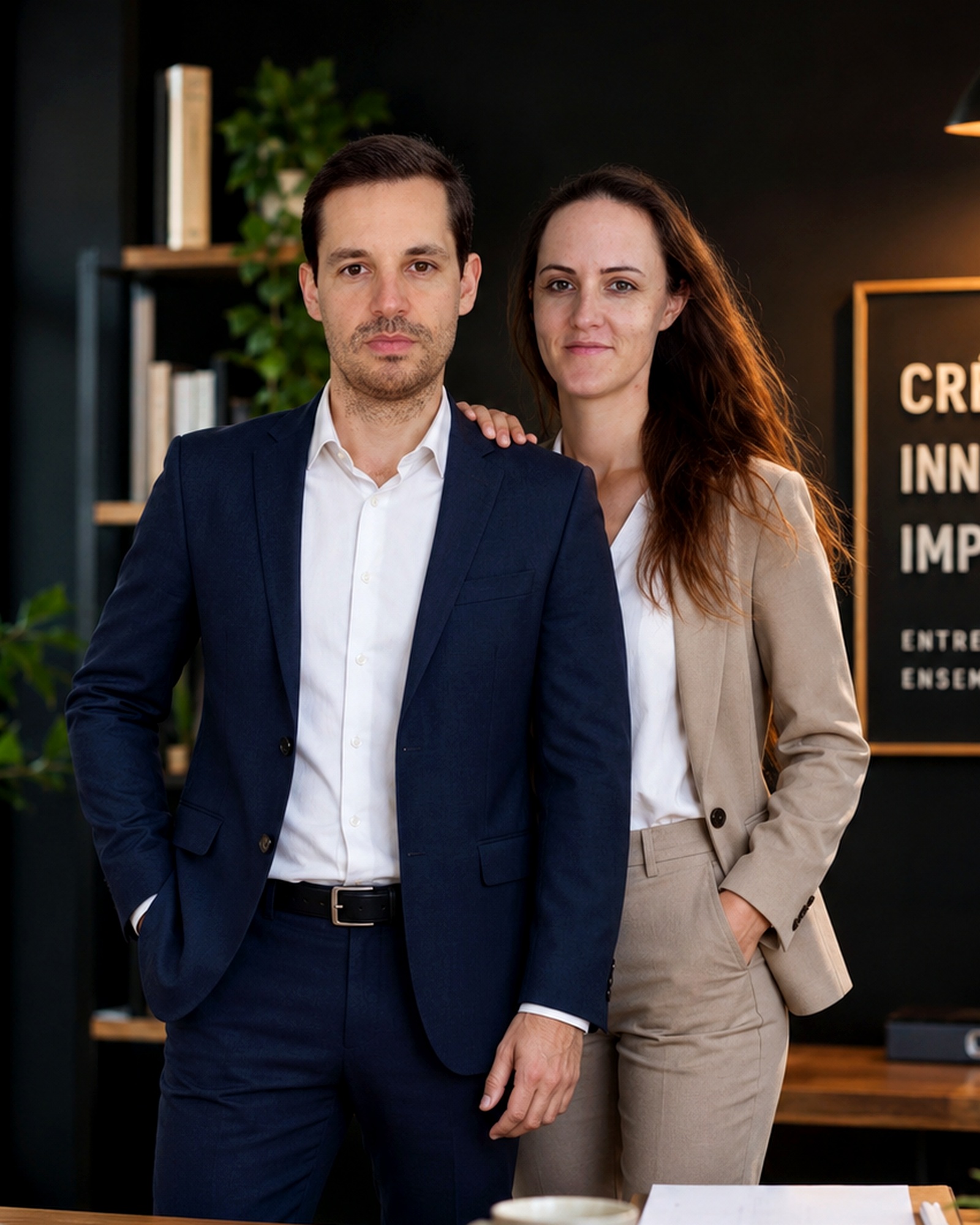
Julien and Gwendoline Levis, co-founders of AtyKids.
Julien & Gwendoline Levis, co-founders of AtyKids.

The founders

The field, before the product.

Julien Levis worked seven years as an AESH in France, the school support role that accompanies pupils with disabilities in mainstream classrooms, alongside children with very different profiles (autism, ADHD, dyslexia and dyspraxia, intellectual disability). Seven years of watching what the adults around a child try, adjust and reinvent every morning. Gwendoline Levis spent more than ten years leading children's activities, structuring group time for kids who do not fit the boxes prepared for them.

Then we became parents, and the experience changed in nature. Knowing a child is not always enough to know what to do at twenty to eight on a Tuesday morning. That position, the adult who knows their child and still has nothing they can use right now, is what gave AtyKids its shape.

In 2019, we guided children as they created Hopla Chef, an inclusive educational publishing project born in a classroom. The project was theirs: we brought the framework, the method and the tools. We continued that thread in 2024 with inclusive travel journals, in partnership with the French association L'Enfant@l'Hôpital.

Hopla Chef received two distinctions, the APAJH Trophies and the Public Prize at the Council of Europe, along with a recognition from the University of Strasbourg, which is not of the same nature. Julien is also a co-founder of the Collectif Ensemble association.

We mention them for what they are: the record of a project run with children in 2019, not an endorsement of AtyKids and not an outside opinion on our content. What stayed with us was not the awards: it was watching those children grow in confidence as they built it.
The team today

Four profiles, one product to grow.

AtyKids is driven by a small team with complementary roles across product, brand and communications, business development, international development and opportunity management.

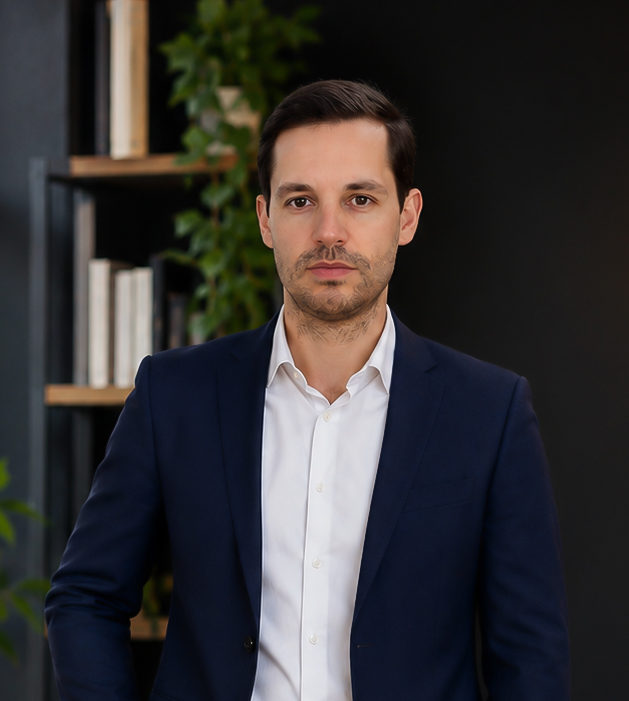
  • Julien Levis, co-founder of AtyKids

    Julien Levis

    Co-founder

    Product · Business Development · Partnerships

    After seven years working in French schools as an AESH, a school support professional for students with disabilities, Julien now leads the AtyKids product, its business development and partner relationships.

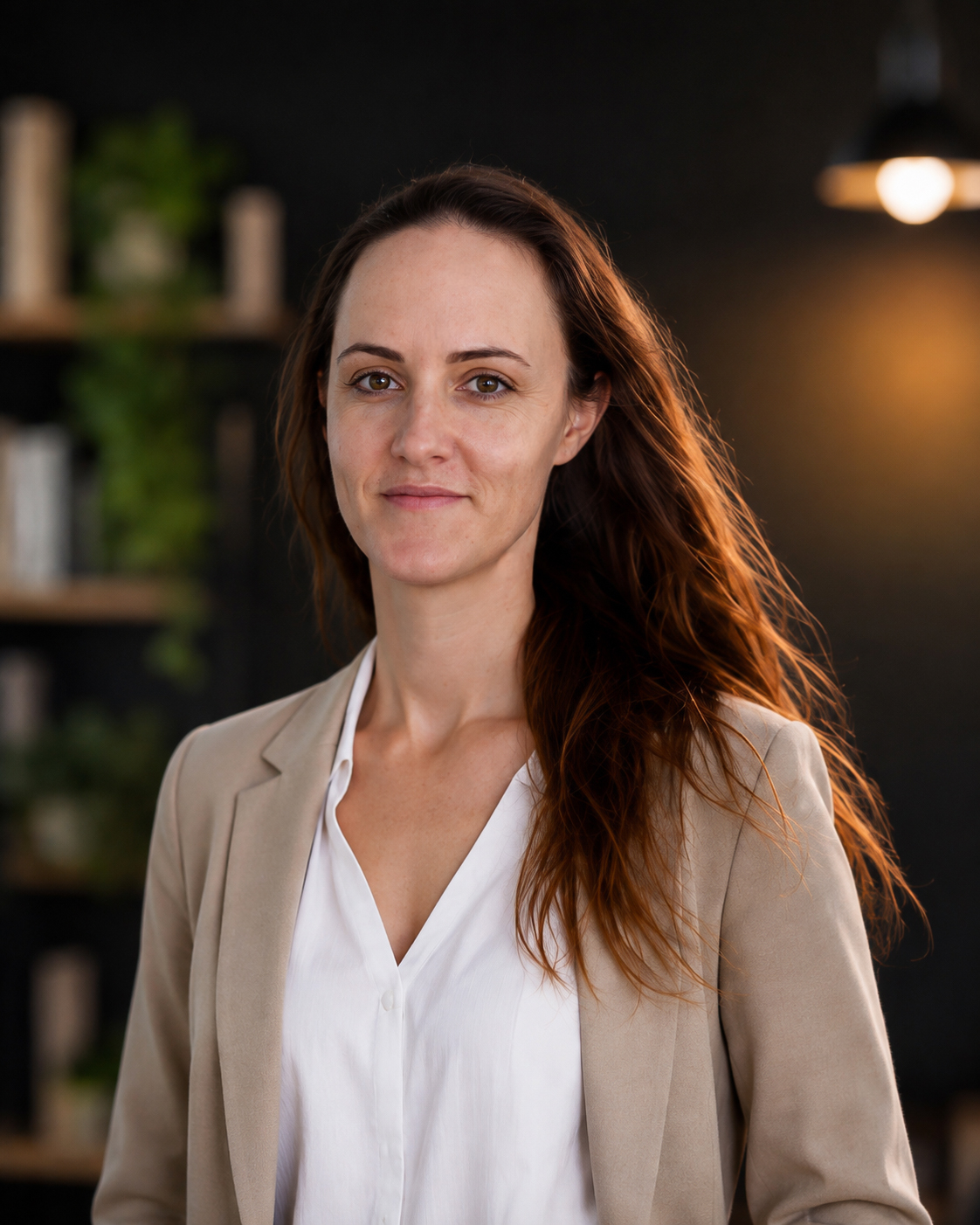
  • Gwendoline Levis, co-founder of AtyKids

    Gwendoline Levis

    Co-founder & Head of Brand & Communications

    Brand · Communications · Social Media · Video

    Gwendoline leads AtyKids' brand and communications across content, video, social media and editorial consistency.

  • Margaux Richard

    International Communications & Business Development Coordinator

    International · EN/ES · Business Development

    Fluent in French, English and Spanish, Margaux brings international experience to the AtyKids team. She contributes to international development, multilingual communications and the follow-up of international opportunities.

  • Sébastien Rott

    Communications & Business Development Coordinator, France

    Communications · Business Development · France

    Sébastien supports AtyKids' development in France. He contributes to communications, business development and the follow-up of opportunities with French organizations and partners.

Why several assistants?

Because one assistant is not always enough.

  • Malo Parent
  • Lina Transitions
  • Nino Activities
  • Sacha Tense moments
  • Camille Appointments
  • Basile Observation and adjustment

Each assistant covers one precise angle of daily life. The goal is not to add a layer of complexity, but to make help clearer, more targeted and immediately usable.

What it turned into

One building block per need, and nothing more.

  • Assistants Six assistants for daily life, for when the question lands now.
  • Experts Two specialized areas: Rights & procedures and Home education & learning.
  • ATLAS Look for local support, on the record.
  • Studio Create the support that is missing, in six ready-to-print forms.
  • Resources Free tools you can use straight away, with no subscription.

What the field taught us

Four principles we do not negotiate.

The adult stays in charge

AtyKids helps prepare, organize and create useful starting points. The adult chooses what to keep, adapt and use.

No diagnosis

Strictly non-medical. We have seen what a label placed too early costs, and it is not our role.

Never the child alone

AtyKids is built for the adult who supports a child. It is not an app to hand over to a child.

Concrete

Help move from the question to the next starting point, not produce a paragraph of generalities.

Our limits

We do not have every answer, and AtyKids is not here to invent them.

  • We make no diagnosis and we assess no child.
  • We replace neither a doctor, nor a therapist, nor a teacher, nor an administration.
  • When a situation depends on an official framework, we cite our sources instead of asserting.
  • The decision belongs to the adult, always.

Going further

Three pages, three questions.

  • Our story

    Why AtyKids exists, and where what we know comes from.

    You are here.

  • Method & references

    How we build the content and rank the sources.

    See the method
  • Trust

    The limits, the safeguards and the child protection framework.

    See the trust center

Now see what AtyKids can do for you.

The Resources are free. A subscription opens the Assistants, the Experts, ATLAS and the Studio.

Do you represent an organization, or want to explore a pilot? See Organizations

Are you an investor? See Investors

Country & language

Resources adapt to your country.